Desert Eagle Buyer Guide for Kansas Shooters (2026)
When you need a handgun that commands attention at the range or in the field, the Desert Eagle is the only name that matters. Manufactured by Israel Weapon Industries (IWI) and imported by Kahr Arms, this gas-operated, rotating-bolt semi-automatic pistol has been a staple for big-bore enthusiasts since the 1980s. In Kansas, where open spaces, varmint hunting, and steel plate competitions are part of the culture, the Desert Eagle fills a niche that no other pistol can—delivering rifle-like energy in a handgun platform.
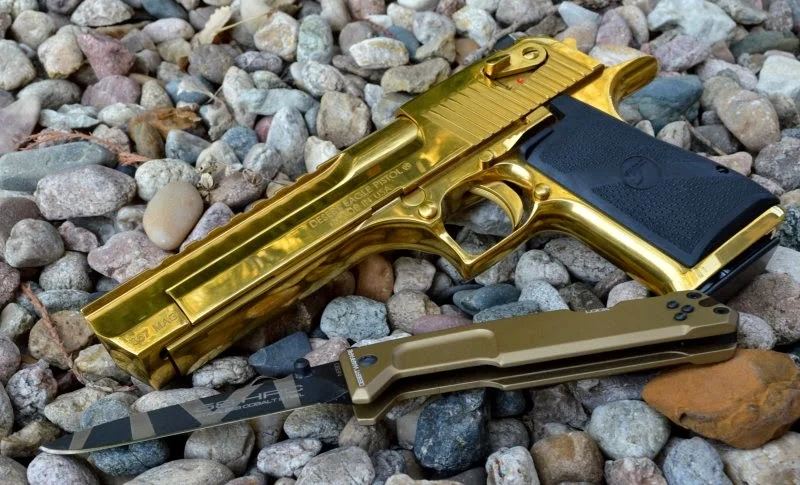
Kansas buyers typically fall into two camps: collectors who want the iconic chrome or black finish for display and occasional range use, and practical shooters who need a reliable sidearm for hunting whitetail, feral hogs, or coyotes under the state's generous hunting regulations. With the right caliber and setup, a Desert Eagle can also serve as a potent home-defense option for those who prioritize stopping power over capacity. This guide breaks down the current 2026 model lineup so you can make an informed choice without the hype.
Current Desert Eagle Models (2026)
IWI Desert Eagle Mark XIX
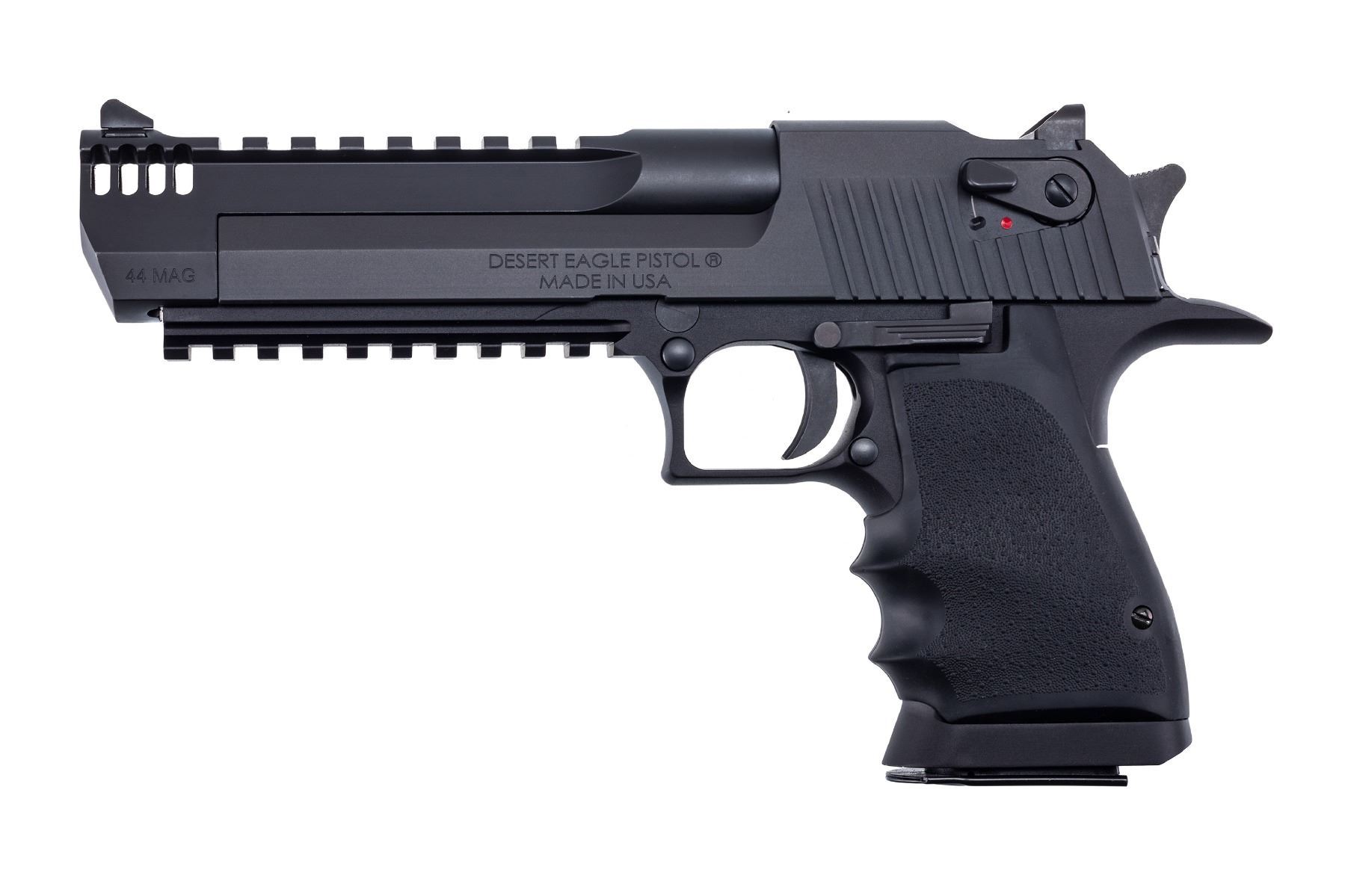
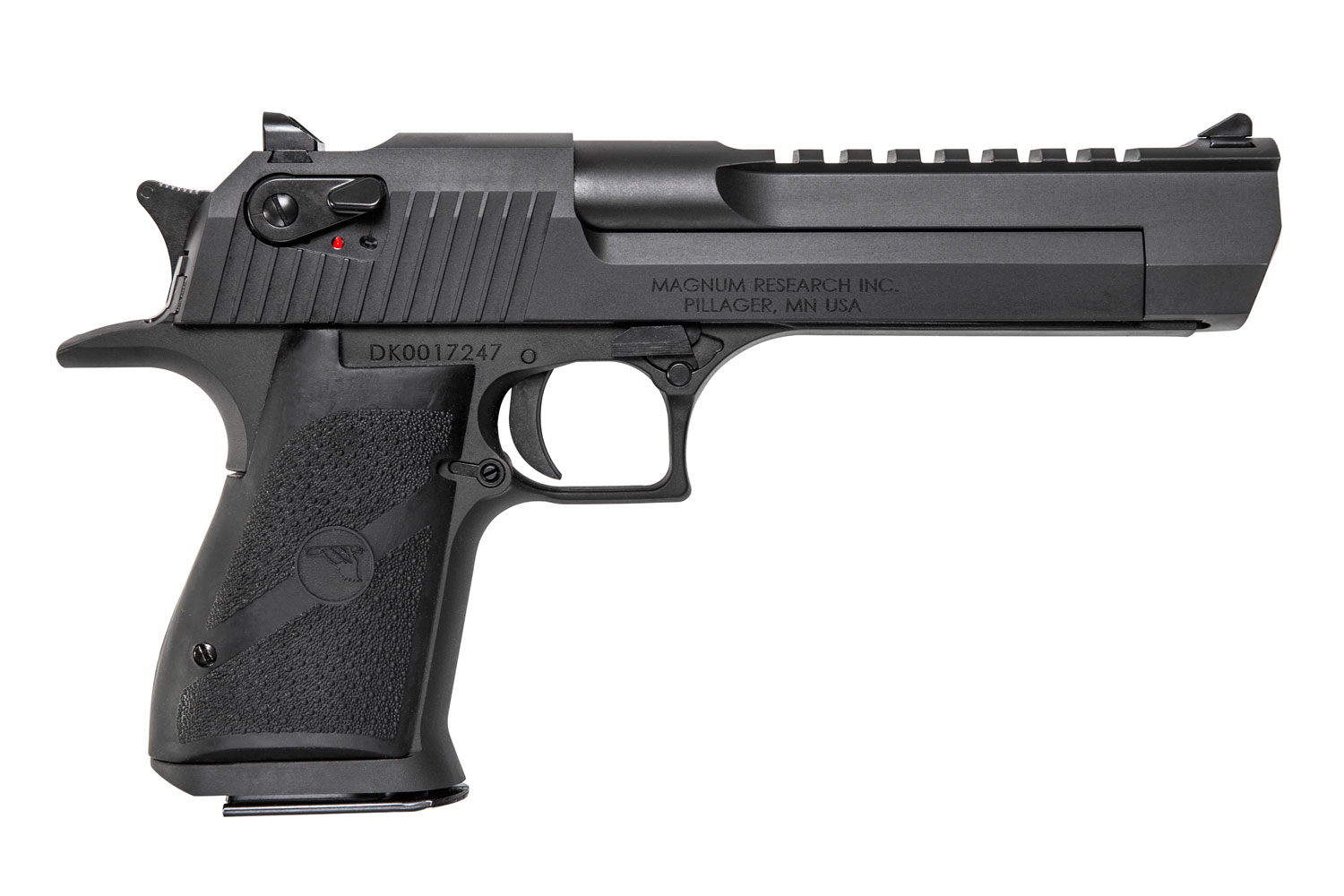
The Mark XIX is the standard-bearer, available in .357 Magnum, .44 Magnum, and .50 Action Express (AE). It features a 6-inch barrel standard, with optional 10-inch barrels for extended sight radius and velocity. The Mark XIX uses a single-stack magazine: 9 rounds for .357, 8 for .44, and 7 for .50 AE. Accuracy is excellent—sub-2-inch groups at 25 yards are common with quality ammunition—thanks to the fixed barrel and gas system that reduces felt recoil. In Kansas, this is the go-to model for hunters who want a backup gun for deer or bear defense, as the .50 AE delivers over 1,400 ft-lbs of muzzle energy from a handgun.
IWI Desert Eagle L5
The L5 is a lightweight variant with an aluminum alloy frame and a 5-inch barrel, chambered in .44 Magnum only. It shaves about 8 ounces off the Mark XIX's steel-frame weight, bringing it to roughly 4.2 pounds unloaded. Capacity drops to 6 rounds. The shorter barrel reduces velocity by about 150 fps compared to the 6-inch version, but it's more maneuverable for carrying in a chest holster while hiking the Flint Hills. Accuracy remains solid for a defensive or hunting sidearm—expect 3-inch groups at 25 yards. The L5 is less common but ideal for Kansas shooters who want a packable big-bore without the full-size heft.
Caliber Comparison: What Works in Kansas
.357 Magnum
Best for varmints and target shooting. Recoil is manageable, and ammunition is widely available. Muzzle velocity from a 6-inch barrel reaches 1,450 fps with 125-grain loads. Capacity is 9+1, the highest in the lineup. In Kansas, it's legal for deer hunting but underpowered for ethical kills beyond 50 yards. Use it for coyotes, prairie dogs, or steel plates.
.44 Magnum
The sweet spot for Kansas deer and hog hunters. With 240-grain soft points at 1,350 fps, it delivers 975 ft-lbs at the muzzle—enough for whitetail out to 75 yards. Recoil is stout but controllable with proper grip. The Mark XIX holds 8+1; the L5 holds 6+1. This caliber balances power and capacity for most field use.
.50 Action Express (AE)
The ultimate choice for maximum energy. 300-grain hollow points leave the muzzle at 1,550 fps, producing 1,600 ft-lbs. That's more than many .44 Magnum rifles. Capacity is 7+1. Recoil is heavy but manageable due to the gas system. In Kansas, it's overkill for deer but ideal for bear defense (black bears are present in the eastern part of the state) or for shooters who want the most powerful production handgun on the market. Ammo cost is higher, and availability can be spotty.
Accuracy and Practical Use
All Desert Eagle models are inherently accurate because the barrel does not tilt—the gas system keeps it fixed during cycling. With a red dot optic mounted via the Picatinny rail (standard on all Mark XIX and L5 models), shooters can achieve consistent hits on a 12-inch steel plate at 100 yards. The stock iron sights are adjustable for windage and elevation, but most Kansas buyers upgrade to a Trijicon RMR or Holosun for faster target acquisition. For hunting, the 10-inch barrel option on the Mark XIX adds 100-150 fps velocity and extends effective range by 20-30 yards, but it makes the pistol nearly 15 inches long—unwieldy for holster carry.
Reliability and Maintenance
The Desert Eagle's gas system requires proper lubrication and high-quality ammunition. It will not cycle reliably with light loads or underpowered rounds. Use factory-loaded ammunition with full-power charges—Federal, Hornady, or Underwood are recommended. The rotating bolt is robust, but the extractor can break if you dry-fire repeatedly. Clean the gas piston after every 200 rounds to prevent carbon buildup. In Kansas's dry climate, corrosion is not a major issue, but store the pistol with a light coat of oil. The Mark XIX is built to last tens of thousands of rounds with proper care.
Available at kansas-gunshop.com - FFL transfer required for Kansas.